



U.S. Visa for Professionals & Families
- Phoenix Immigration Attorney for Employment, Investor, Fiancé(e) & Visitor Visas
NON-IMMIGRANT VISAS
APPLYING FOR A VISA IN PHOENIX, ARIZONA
Navigating the U.S. visa process requires more than completing forms. Each visa category carries distinct eligibility requirements, documentation standards, and long-term implications for your immigration status. Whether you are seeking employment in the United States, transferring within a multinational company, investing in a business, joining a fiancé or spouse, or entering temporarily for business or travel, careful preparation is essential.
The Milovic Law Firm represents professionals, entrepreneurs, families, and individuals in Phoenix and throughout the United States in a broad range of non-immigrant visa matters. Employment-based visas such as H-1B, L-1, and E-1/E-2 investor visas often involve detailed regulatory frameworks and coordination with employers or corporate entities. The firm also assists individuals with distinguished professional achievements seeking O-1 extraordinary ability visas in fields such as science, technology, business, the arts, and athletics, where careful presentation of professional achievements and supporting evidence is critical.
Family-related visas, including fiancé(e) visas, require thorough documentation of qualifying relationships and compliance with statutory requirements. Visitor visas and other temporary classifications may appear straightforward but can still raise questions involving intent, prior travel history, or immigration records.
Many visa applications involve nuances that can significantly affect approval, timing, or future immigration options. Issues such as prior visa denials, unlawful presence, changes of status, or long-term immigration strategy should be evaluated before filing. Early legal guidance helps ensure that filings are thorough, accurate, and aligned with both immediate goals and long-term immigration plans.
For individuals already in the United States, questions often arise regarding maintaining lawful status, extending a visa, or transitioning to another visa category. For those applying abroad, consular processing procedures and documentation requirements may vary by post and require careful preparation.
Strategic planning at the outset can make a meaningful difference in both the strength of your application and your long-term immigration pathway.
Immigration Practice Areas
Comprehensive visa and immigration services for professionals, entrepreneurs, and families across the United States and worldwide.

Fiancé(e): K-1 Visa
Your U.S. citizen fiancé(e) may petition for a K-1 visa allowing you to enter the United States for the purpose of marriage.
Because the K-1 visa is a single-entry visa tied specifically to the petitioning fiancé(e), it cannot be extended or transferred to another basis. If the marriage does not occur within the 90-day period, lawful status ends and remaining in the United States may result in unlawful presence and future immigration consequences.
To qualify, both parties must be legally free to marry and must demonstrate a genuine intent to marry within 90 days of entry. In most cases, the couple must also have met in person at least once during the two years preceding the filing of the petition. Limited waivers of the in-person meeting requirement may be available where meeting would result in extreme hardship or violate strict cultural or religious customs.
K-1 petitions require careful documentation of the relationship, prior marital histories, and the couple’s intent to establish a life together in the United States. Proper preparation at the outset can help avoid delays, requests for additional evidence, or consular processing complications.

Specialty Workers: H-1B Visa
The H-1B visa allows U.S. employers to sponsor foreign professionals in specialty occupations requiring specialized knowledge and at least a bachelor’s degree or equivalent experience.
The H-1B visa is designed for professional roles that require specialized knowledge and the attainment of at least a bachelor’s degree (or its equivalent) in a specific field. Common H-1B positions include engineers, physicians, software developers, financial analysts, architects, and other professional occupations where the degree requirement is intrinsic to the role.
To qualify, a U.S. employer must extend a bona fide job offer in a specialty occupation and agree to pay at least the prevailing wage for the position in the geographic area of employment. Before filing the H-1B petition with USCIS, the employer must obtain certification of a Labor Condition Application (LCA) from the U.S. Department of Labor. The LCA requires employer attestations regarding wages, working conditions, and compliance with federal labor regulations.
Most new H-1B petitions are subject to an annual numerical cap. Because demand exceeds the number of available visas each year, USCIS conducts an electronic registration and lottery process during a designated filing period. Strategic preparation before the registration window opens is essential.
H-1B status is generally granted for an initial period of up to three years and may be extended for a total of six years in most cases. Extensions beyond six years may be available where permanent residence processes are underway. Spouses and unmarried children under 21 may accompany the principal H-1B worker in H-4 status, and in certain circumstances, H-4 spouses may qualify for employment authorization.
Because H-1B petitions involve detailed regulatory requirements and strict timelines, early legal guidance can help employers and employees navigate eligibility, documentation, and long-term immigration planning.

Seasonal Workers: H-2B Visa
The H-2B visa allows U.S. employers to hire foreign workers for temporary or seasonal non-agricultural positions when qualified U.S. workers are unavailable
The H-2B visa program enables U.S. employers to fill temporary or seasonal non-agricultural positions with foreign workers where there are not enough available U.S. workers to meet business needs. These roles may be for seasonal, peak-load, intermittent, or one-time occurrences and are commonly used in industries such as hospitality, construction, landscaping, and tourism.
To qualify, the employer must demonstrate a temporary need for workers and obtain a temporary labor certification from the U.S. Department of Labor confirming that there are insufficient qualified U.S. workers available for the position and that hiring foreign workers will not adversely affect wages or working conditions for similarly employed U.S. workers. The employer must also offer and be able to pay the prevailing wage for the position.
Most H-2B petitions are subject to an annual numerical cap, which is divided between two fiscal-year filing periods. Because demand often exceeds available visas, timing and advance planning are critical. Some returning workers or specially designated categories may be exempt from the cap in certain years.
H-2B status is granted for the period of the employer’s temporary need, typically in increments of up to one year, and may be extended to a maximum of three years. After reaching the maximum period of stay, individuals generally must remain outside the United States for a period before seeking readmission in H-2B status again.
Spouses and unmarried children under 21 may accompany the principal worker in H-4 status for the duration of the authorized stay.
Careful preparation of the labor certification and petition materials helps ensure compliance with program requirements and smoother processing.

Trader/Investor Visa: E-1/E-2 Visa
Treaty trader (E-1) and treaty investor (E-2) visas allow eligible nationals of treaty countries to enter the United States to conduct substantial trade or develop and direct a qualifying business investment.
The E-1 and E-2 visa classifications are available to nationals of countries that maintain qualifying treaty relationships with the United States. These visas allow eligible individuals and certain employees to enter the United States to engage in international trade or to develop and direct a business investment.
The E-1 treaty trader visa is intended for individuals or companies engaged in substantial trade between the United States and the treaty country. Trade may include goods, services, technology, banking, insurance, or other qualifying commercial activity. To qualify, the trade must be ongoing and principally between the United States and the treaty country. Owners, executives, managers, and certain essential employees of qualifying businesses may be eligible.
The E-2 treaty investor visa is available to individuals who invest, or are actively in the process of investing, a substantial amount of capital in a bona fide U.S. enterprise. The investor must be coming to the United States to develop and direct the enterprise, typically demonstrated through ownership or a managerial role. While there is no fixed minimum investment amount, the investment must be sufficient to ensure the successful operation of the business and demonstrate a meaningful financial commitment.
E-1 and E-2 visas are generally issued for an initial period of up to two years and may be extended in additional two-year increments as long as eligibility continues. Spouses and unmarried children under 21 may accompany the principal applicant, and spouses are typically eligible to apply for employment authorization while in the United States.
Because eligibility for treaty trader and investor visas depends on nationality, business structure, investment documentation, and the nature of the enterprise, careful planning and preparation are essential before filing.

Intracompany Transfer: L-1A/L-1B Visa

L-1 visas allow multinational companies to transfer executives, managers, and specialized knowledge employees from affiliated foreign offices to the United States.
The L-1 visa category enables multinational companies to transfer key personnel from a foreign office to a related U.S. entity. This includes executives and managers under the L-1A classification and employees with specialized knowledge under the L-1B classification. The L-1 visa is commonly used by international businesses seeking to expand operations in the United States or strengthen coordination between global offices.
To qualify, the employee must generally have worked for a qualifying affiliated company abroad for at least one continuous year within the three years preceding the petition. The U.S. and foreign entities must have a qualifying corporate relationship, such as parent, subsidiary, branch, or affiliate. The employee must be transferring to the United States to work in an executive, managerial, or specialized knowledge capacity consistent with prior experience.
The L-1A classification also allows certain multinational companies to transfer executives or managers to the United States to establish a new office. In addition, some large multinational organizations may qualify for blanket L certification, streamlining the transfer of eligible employees to U.S. operations.
L-1 status is typically granted for an initial period based on the nature of the transfer and may be extended within regulatory limits. For executives and managers, the L-1A category can also provide a pathway to employment-based permanent residence.
Because L-1 petitions require careful documentation of corporate structure, qualifying relationships, and job duties, early planning and thorough preparation are essential to a successful filing.

Extraordinary Ability: O-1 Visa
The O-1 visa is available to individuals who have demonstrated extraordinary ability or achievement in their field and seek to work in the United States in that area of expertise.
The O-1 visa classification is designed for individuals who have demonstrated extraordinary ability in the sciences, education, business, athletics, or the arts, as well as those with a record of extraordinary achievement in the motion picture or television industry. This category allows qualified professionals to work in the United States in their area of expertise for a sponsoring employer or agent.
Eligibility for O-1 classification is based on sustained national or international recognition and evidence of significant professional accomplishments. Depending on the field, this may include publications, awards, critical roles in distinguished organizations, high salary, original contributions of significance, media recognition, or other comparable achievements. Careful presentation of evidence and a well-structured petition are essential to demonstrating eligibility.
O-1 status may be granted for the period necessary to complete the proposed work or engagement in the United States, with extensions available for continued or new qualifying work. The visa can be used by a wide range of professionals, including entrepreneurs, executives, researchers, physicians, artists, performers, and highly skilled specialists across industries.
Spouses and unmarried children under 21 may accompany the principal O-1 visa holder in O-3 status for the duration of the authorized stay.
Because O-1 petitions require extensive documentation and a clear presentation of professional achievements, early planning and thoughtful preparation are key to a strong filing. Many individuals pursuing O-1 classification also seek long-term immigration options in the United States, making early planning and careful documentation especially important.
Schedule Your Consultation Today
Consult with an experienced immigration attorney to learn more. Contact the Milovic Law Firm for a case evaluation now!
phoenix Immigration lawyer
Adjustment of Status or Consular Processing?
Adjustment of Status
If you are lawfully present in the United States, you may be eligible to apply for permanent residence without leaving the country through a process known as Adjustment of Status. This allows eligible applicants to complete their green card process inside the United States, typically attending an interview at a local USCIS field office.
Eligibility depends on how you entered the U.S., your current immigration status, and the basis for your green card application. In many cases, applicants may also apply for work authorization and travel permission while their application is pending.
Adjustment of Status is not available to everyone. Careful evaluation of entry history, prior immigration filings, and current status is essential before proceeding.
Phoenix Immigration Lawyer
Consular Processing
Consular Processing applies when a green card applicant is outside the United States or is not eligible to adjust status within the country. In this process, the case is handled through a U.S. embassy or consulate abroad after approval of the underlying immigrant petition.
Following petition approval, most cases are processed through the National Visa Center before an interview is scheduled at the designated U.S. consulate. Timing may depend on visa availability, processing backlogs, and individual case factors.
For some applicants, consular processing may involve additional considerations, including prior unlawful presence, waivers of inadmissibility, or other immigration history issues that require strategic review before departure from the United States.
Dedicated Phoenix Immigration Attorney With Real Answers
At Milovic Law Firm, our Phoenix immigration attorneys are dedicated to deliver the highest quality immigration representation.
Dedicated Team
We are devoted to our clients & aggressively pursue every option available to you.
13 Years Experience
We're qualified and experienced to take on your immigration case.
5 Star Reviews
Our standard of excellence is fueled by a desire to protect your immigration rights.
Expert Case Strategy
Schedule your consultation with our Phoenix immigration lawyers today!
How We Are Trusted. See What They Say About Us.
Let me start by saying that Maya is awesome. We engaged Maya to help with my naturalization application preparation and submission to USCIS.
J.M.
Phoenix, AZI had the most pleasant experience working with Maya through me legal proceedings. She was always very prompt in responding to the various questions I had through this process.
N.S.
Phoenix, AZMaya did an awesome job walking me through the steps of my case and helping to ensure that all of the documents were filed with the court in a timely manner.

S.M.
Mesa, AZImmigration Blog
The EB-5 Investor Visa
The United States offers one of the world’s best business-friendly environments and the largest customer base for foreign investors. This...

The O-1 Work Visa – Individuals with Extraordinary Ability
The O-1 Work Visa - Individuals with Extraordinary Ability The United States’ robust economy and focus on entrepreneurship attracts some...
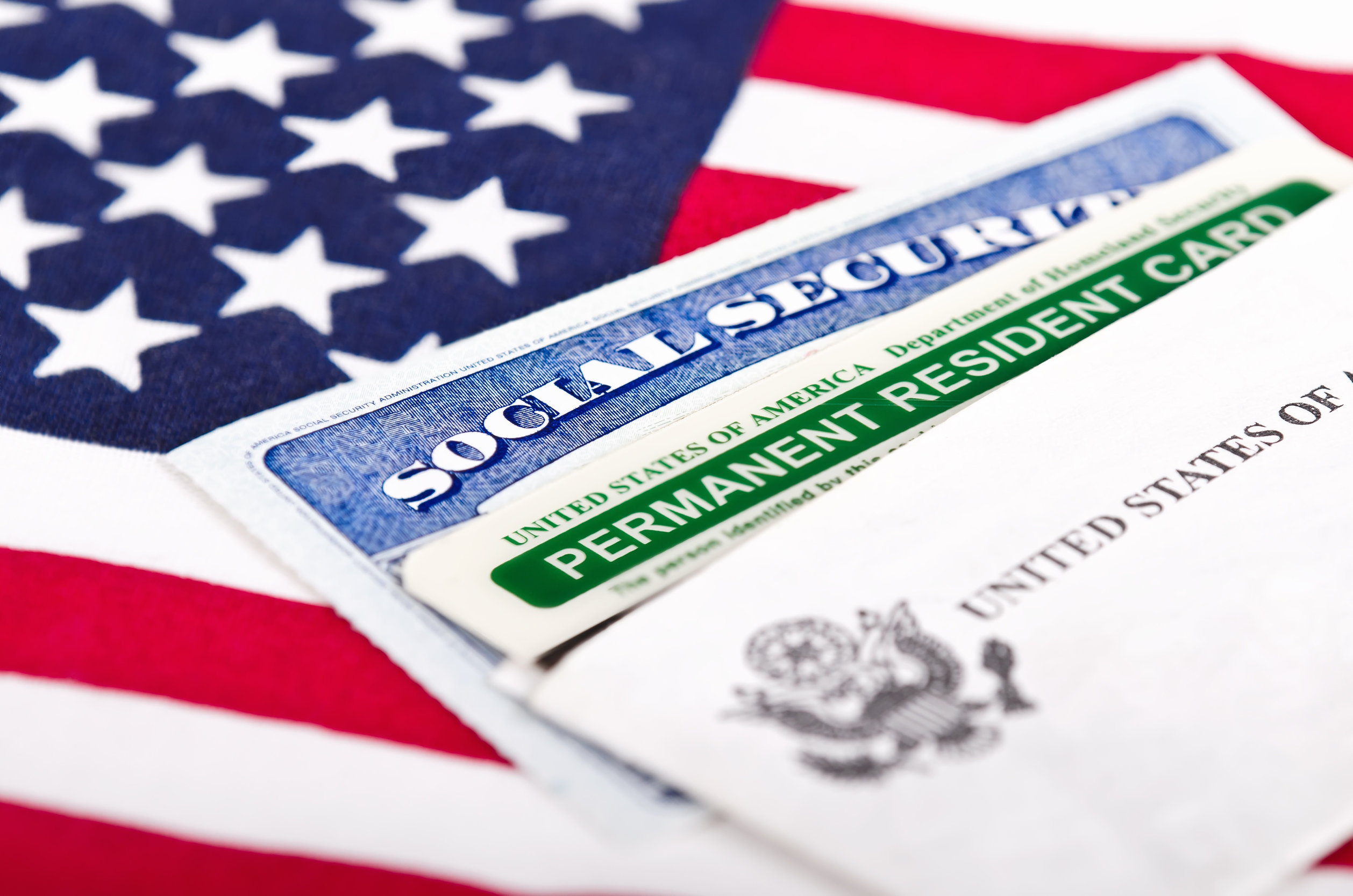
From Green Card to U.S. Citizenship: The Naturalization Process
From Green Card to U.S. Citizenship: The Naturalization Process Have you recently obtained your permanent residency? Congratulations! With your green...
Free Consultation
Get in touch with us. Speak with an experienced imimmigration attorney today.