


The EB-5 Investor Visa
The United States offers one of the world’s best business-friendly environments and the largest customer base for foreign investors. This...
Guidance for spouses of U.S. citizens and lawful permanent residents pursuing a green card through marriage, including adjustment of status, consular processing, conditional residence matters, and complex immigration histories.
Obtaining a marriage based green card is one of the most common pathways to lawful permanent residence in the United States. Spouses of U.S. citizens and lawful permanent residents may be eligible to apply for a green card through adjustment of status within the United States or through immigrant visa processing abroad, depending on the applicant’s immigration history, manner of entry, and current location.
Marriage based immigration cases often involve more than simply filing forms with USCIS. Careful review of lawful entry, prior visa history, unlawful presence, financial sponsorship requirements, and the evidence necessary to establish a bona fide marital relationship may all play an important role in preparing a strong filing strategy.
At Milovic Law Firm, immigration attorney Maya Milovic represents couples throughout Phoenix and across the United States in marriage based green card matters ranging from straightforward adjustment of status filings to cases involving prior immigration complications, consular processing issues, Requests for Evidence (RFEs), and conditional residence concerns.

A marriage based green card may be available to individuals who are legally married to a U.S. citizen or lawful permanent resident. To qualify, the marriage must be legally valid and entered into in good faith rather than solely for immigration purposes.
Spouses of U.S. Citizens
Spouses of U.S. citizens are considered immediate relatives under United States immigration law and are generally not subject to annual visa limits or family preference backlogs. In many cases, eligible spouses who entered the United States lawfully may be able to apply for adjustment of status without waiting for a visa number to become available.
Spouses of Lawful Permanent Residents
Spouses of lawful permanent residents fall within the family preference system, where visa availability and priority dates may affect processing timelines and eligibility to proceed with the green card process. Unlike immediate relatives of U.S. citizens, applicants in the F2A category may be subject to waiting periods depending on immigrant visa availability under the current Department of State Visa Bulletin.
United States immigration law also recognizes qualifying same-sex marriages for immigration purposes where the marriage is legally valid in the jurisdiction where it was performed.
United States immigration law also recognizes qualifying same-sex marriages for immigration purposes where the marriage is legally valid in the jurisdiction where it was performed.
If you are lawfully present in the United States, you may be eligible to apply for permanent residence without leaving the country through a process known as Adjustment of Status. This allows eligible applicants to complete their green card process inside the United States, typically attending an interview at a local USCIS field office.
Eligibility depends on how you entered the U.S., your current immigration status, and the basis for your green card application. In many cases, applicants may also apply for work authorization and travel permission while their application is pending.
Adjustment of Status is not available to everyone. Careful evaluation of entry history, prior immigration filings, and current status is essential before proceeding.
Consular Processing applies when a green card applicant is outside the United States or is not eligible to adjust status within the country. In this process, the case is handled through a U.S. embassy or consulate abroad after approval of the underlying immigrant petition.
Following petition approval, most cases are processed through the National Visa Center before an interview is scheduled at the designated U.S. consulate. Timing may depend on visa availability, processing backlogs, and individual case factors.
For some applicants, consular processing may involve additional considerations, including prior unlawful presence, waivers of inadmissibility, or other immigration history issues that require strategic review before departure from the United States.
A Phoenix immigration law firm with traditional values and modern techniques. Find out how our immigration lawyers in Phoenix, AZ can help no matter where you are located. Contact us today!
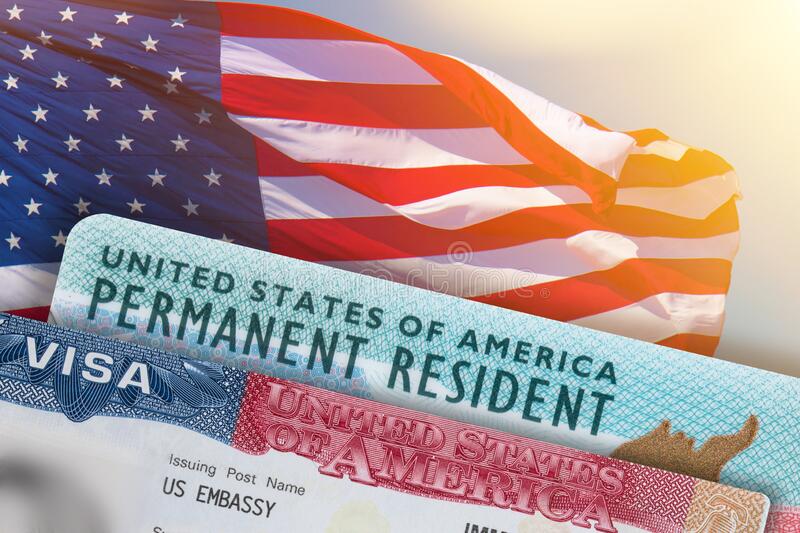
Permanent residence may be available through a qualifying relationship with a U.S. citizen or lawful permanent resident, including spouses, parents, children, and certain other relatives.
Eligibility and processing timelines vary depending on the family relationship and current immigration status. Careful preparation helps ensure applications are filed under the appropriate category and supported with clear documentation.
Family-based immigration allows U.S. citizens and lawful permanent residents to sponsor certain relatives for permanent residence. Immediate relatives of U.S. citizens — including spouses, unmarried children under 21, and parents — may be eligible to apply without waiting for a visa number to become available.
Other qualifying family relationships fall within preference categories that are subject to annual visa limits and processing backlogs. Depending on the category and country of chargeability, waiting periods may apply before permanent residence can be obtained.
The appropriate process may involve adjustment of status within the United States or consular processing through a U.S. embassy or consulate abroad. Each case requires careful review of immigration history, maintenance of status, financial sponsorship requirements, and supporting documentation.
Because family-based immigration often involves long-term planning and significant personal considerations, thoughtful preparation and accurate filing are essential to avoid delays and complications.
Conditional permanent residence is typically granted for two years when permanent residence is based on a marriage that was less than two years old at the time of approval. To maintain lawful permanent resident status, a petition to remove conditions must be filed during the 90-day period before the conditional green card expires.
Most applicants file a joint petition with their spouse demonstrating that the marriage was entered into in good faith and continues to be bona fide. In certain circumstances, individuals may request a waiver of the joint filing requirement, including cases involving divorce, abuse, or other qualifying factors.
Removal of conditions requires careful preparation of supporting documentation to demonstrate the legitimacy of the marital relationship and continued eligibility for permanent residence. Advance planning and complete filings help reduce the likelihood of delays, requests for evidence, or interview complications.
Because failure to file on time or submit sufficient documentation can affect permanent resident status, early review and thoughtful preparation are strongly recommended.

Permanent residence may be available through employer sponsorship or, in certain cases, through self-petition based on professional achievements.
Employment-based categories exist for professionals, executives, physicians, entrepreneurs, and individuals whose work demonstrates extraordinary ability or national importance. Careful evaluation helps determine the most effective pathway.
Employment-based immigration offers several pathways to permanent residence for individuals working in the United States or seeking to do so. These categories include options for professionals with advanced degrees, skilled workers, multinational executives and managers, physicians, entrepreneurs, and individuals who have demonstrated extraordinary ability in their field.
Some employment-based cases require sponsorship from a U.S. employer and completion of the labor certification process, while others allow individuals to self-petition based on their qualifications, achievements, or the national importance of their work. Determining the appropriate category depends on a careful review of education, experience, professional accomplishments, and long-term immigration goals.
In addition to eligibility requirements, factors such as priority dates, visa availability, and timing considerations can affect when permanent residence may be obtained. Advance planning and thoughtful case preparation help ensure that filings are submitted under the strongest possible category and with the necessary supporting documentation.
Because employment-based immigration strategy can influence future opportunities and mobility, early evaluation and clear planning are essential.

Lawful permanent residents may become eligible for U.S. citizenship through the naturalization process after meeting residence and statutory requirements. Careful review of eligibility and preparation for the application and interview are essential to a smooth process.
Naturalization is the process through which a lawful permanent resident becomes a United States citizen. Eligibility generally requires a period of permanent residence — typically five years, or three years for certain applicants married to U.S. citizens — along with continuous residence and physical presence in the United States.
Applicants must demonstrate good moral character, basic knowledge of English, and an understanding of U.S. history and government. Most individuals are required to complete an English and civics examination during the interview process, although limited exceptions may apply based on age or medical circumstances.
In addition to meeting statutory requirements, careful review of travel history, tax compliance, prior immigration filings, and any criminal or immigration issues is important before submitting a naturalization application. Addressing potential concerns in advance can help prevent delays or complications.
Once approved, applicants attend a naturalization ceremony and take the Oath of Allegiance, formally becoming United States citizens.

A prior conviction involving offenses against a minor can significantly affect a U.S. citizen or lawful permanent resident’s ability to sponsor a family member for immigration benefits.
The Adam Walsh Child Protection and Safety Act imposes immigration restrictions on U.S. citizens and lawful permanent residents who have been convicted of certain specified offenses involving minors. These provisions can limit or prevent a petitioner from sponsoring a family member for permanent residence.
In some cases, a qualifying conviction may bar the filing of a family-based immigrant petition. For lawful permanent residents, certain convictions may also raise additional immigration consequences, including potential removal proceedings, depending on the underlying offense and overall immigration history.
The law provides a narrow exception if the reviewing immigration authority determines that the petitioner poses no risk to the intended beneficiary despite the conviction. This determination is discretionary and requires a detailed review of the individual’s criminal record, rehabilitation evidence, and surrounding circumstances.
Because these cases involve complex legal and factual analysis, careful evaluation is essential before proceeding with any petition.

Certain criminal, immigration, or health-related issues may affect eligibility for a visa or green card. In some cases, a waiver may be available to overcome inadmissibility and allow
U.S. immigration law includes grounds of inadmissibility that may prevent an applicant from receiving a visa or green card. These grounds can arise from prior immigration violations, criminal convictions, unlawful presence, or other statutory factors. In appropriate cases, a waiver may allow the applicant to overcome the inadmissibility and proceed with the immigration process.
Most waivers require a showing that refusal of admission would result in extreme hardship to a qualifying U.S. citizen or lawful permanent resident relative, typically a spouse or parent. Establishing extreme hardship involves a careful presentation of the totality of circumstances, including family ties, medical considerations, financial impact, country conditions, and other relevant factors.
Waiver cases are highly fact-specific and require detailed documentation and thoughtful legal strategy. Determining eligibility, identifying the correct waiver type, and preparing a comprehensive filing depend on a careful review of immigration history and the applicant’s current circumstances, whether inside or outside the United States.
Because inadmissibility findings can significantly affect long-term immigration options, early evaluation and careful preparation are essential.

Spouses, children, and parents who have experienced abuse by a U.S. citizen or lawful permanent resident may be eligible to seek immigration protection independently through a confidential self-petition.
The Violence Against Women Act (VAWA) provides an independent path to permanent residence for spouses, children, and parents who have been subjected to battery or extreme cruelty by a qualifying U.S. citizen or lawful permanent resident relative. These protections apply regardless of gender and are designed to provide stability without requiring the abuser’s participation or knowledge.
VAWA self-petitioners must demonstrate that they were subjected to battery or extreme cruelty by a qualifying U.S. citizen or permanent resident spouse, parent, or child, and that the relationship was entered into in good faith where applicable. Cases require careful documentation and a sensitive presentation of evidence addressing both eligibility and personal circumstances.
Individuals who are divorced from the abusive spouse may still qualify if the petition is filed within two years of the divorce and there is a connection between the divorce and the abuse. Eligibility may also continue in certain situations involving the death of the abusive relative or loss of the abuser’s immigration status following an incident of domestic violence.
In many cases, unmarried children under 21 may be included as derivative beneficiaries of an approved VAWA self-petition.
Because these matters involve personal safety and confidentiality, VAWA filings are handled with particular care and discretion.
Individuals who obtain permanent residence through a marriage that is less than two years old at the time the green card is approved are generally granted conditional permanent resident status valid for two years. Before the conditional green card expires, the couple must typically file a joint petition to remove conditions on residence by submitting Form I-751 with updated evidence demonstrating that the marriage continues to be bona fide.
The I-751 petition process often involves additional documentation relating to joint residence, shared financial responsibilities, children, insurance policies, tax filings, travel history, and other evidence showing an ongoing marital relationship. In some cases, USCIS may issue a Request for Evidence (RFE) or schedule an interview before approving the petition to remove conditions.
Certain individuals may also qualify for an I-751 waiver filing without the participation of the petitioning spouse, including cases involving divorce, widowhood, battery or extreme cruelty, or situations where removal from the United States would result in extreme hardship. Careful review of the timing, supporting evidence, and procedural strategy involved in the I-751 process may help avoid unnecessary delays or interruptions in permanent resident status.



We are devoted to our clients & aggressively pursue every option available to you.
We're qualified and experienced to take on your immigration case.
Our standard of excellence is fueled by a desire to protect your immigration rights.
Schedule your consultation with our Phoenix immigration lawyers today!

Don’t take our word for it, here’s what others have to say
Phoenix, AZ
"Let me start by saying that Maya is awesome. We engaged Maya to help with my naturalization application preparation and submission to USCIS."
Phoenix, AZ
"I had the most pleasant experience working with Maya through me legal proceedings. She was always very prompt in responding to the various questions I had through this process."
Gilbert, AZ
"Maya did an awesome job walking me through the steps of my case and helping to ensure that all of the documents were filed with the court in a timely manner."
Gilbert, AZ
"Maya Milovic provided great information for my situation. I will seek further council with her in the future if I have any other issues regarding family and immigration law."
Phoenix, AZ
"Could not have been more satisfied with the level of professionalism, completely satisfied with my experience."
Our Phoenix immigration blog brings you tips and how-to information to help your family through the U.S. immigration system.
The United States offers one of the world’s best business-friendly environments and the largest customer base for foreign investors. This...

The O-1 Work Visa - Individuals with Extraordinary Ability The United States’ robust economy and focus on entrepreneurship attracts some...
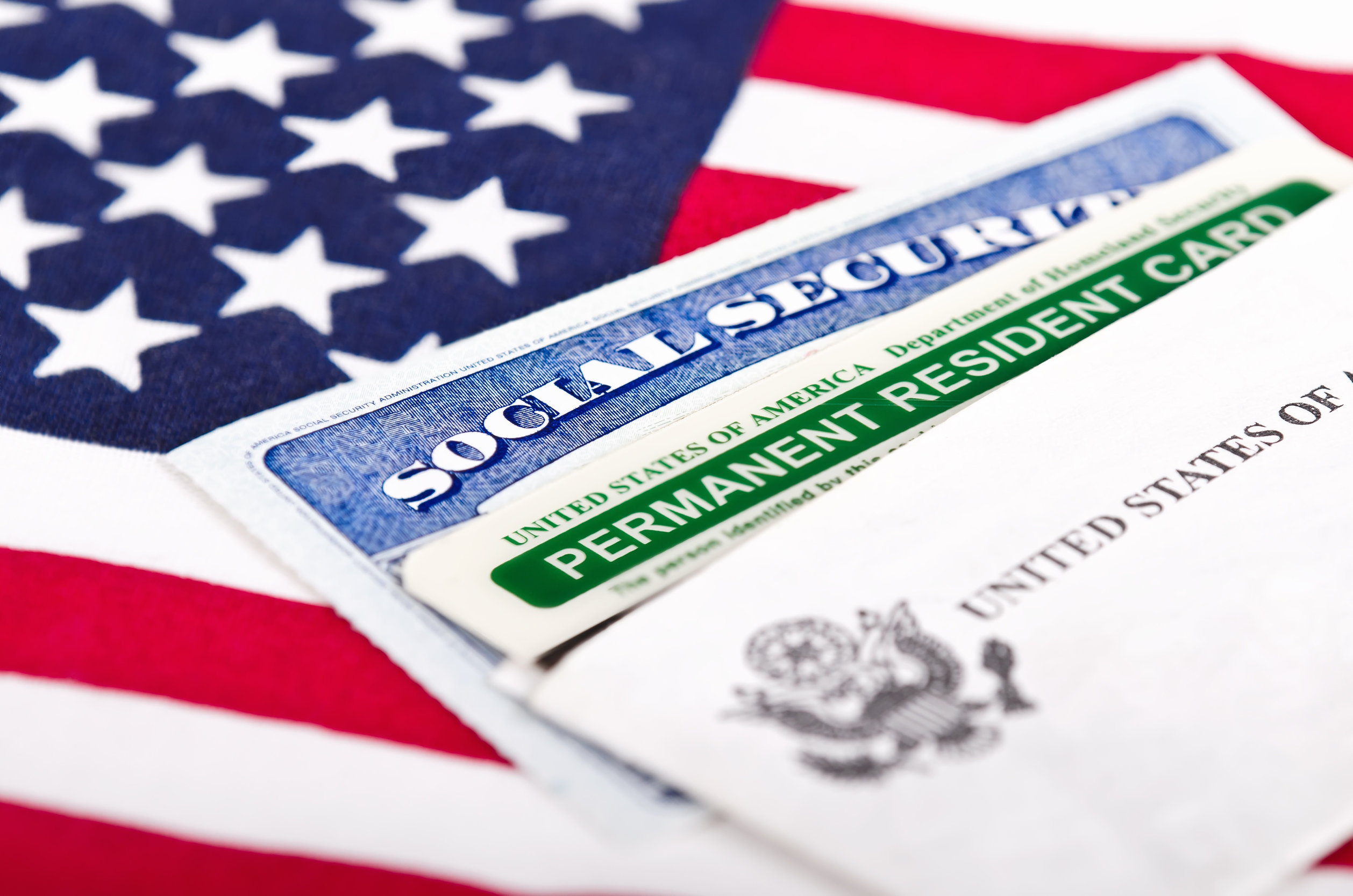
From Green Card to U.S. Citizenship: The Naturalization Process Have you recently obtained your permanent residency? Congratulations! With your green...
Contact us to discuss your immigration matter with an experienced attorney.
 Call Us Now!